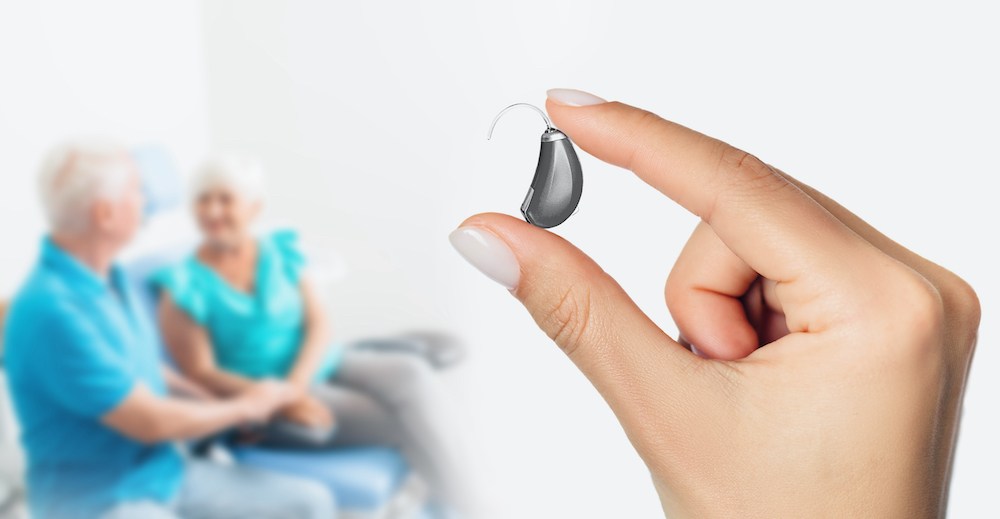
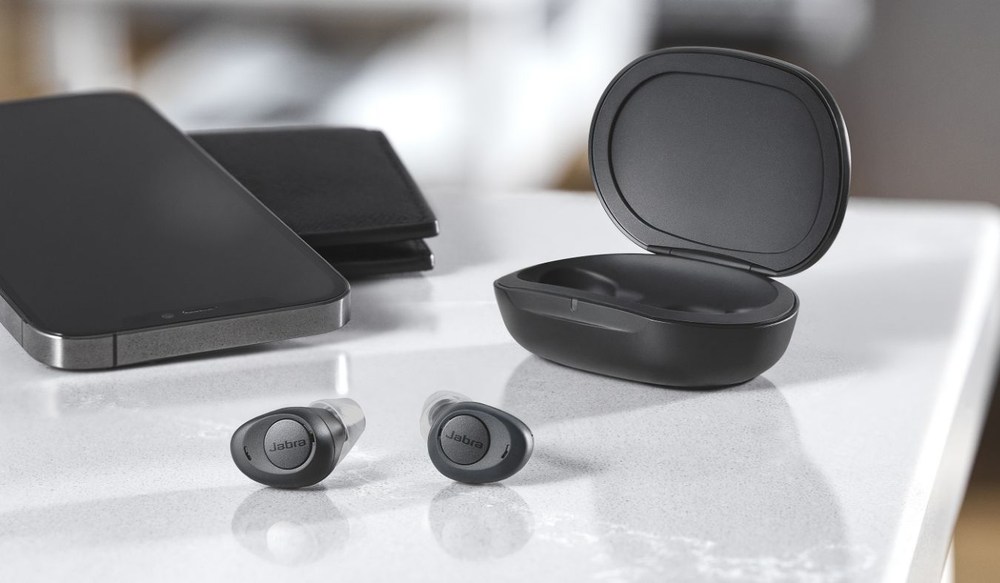
Have you ever found that hearing aids alone may not fully meet your listening needs in certain situations? Hearing support is not one size fits all, and your needs may change depending on the setting.

Exploring additional tools can help make everyday moments, like talking with friends, taking part in meetings or watching your favorite shows, feel more manageable. Knowing that other assistive tools are available allow you to take simple, practical steps to improve how you hear in different environments.

What are Assistive Listening Devices (ALDs)

Assistive listening devices are tools designed to give you extra support in situations where hearing can feel more challenging.

They are often used in specific settings, like social gatherings, public spaces or during everyday activities at home, when you want sound to feel clearer and easier to follow. These devices are not meant to replace hearing aids, but to offer added help when certain environments make listening more challenging.

What makes assistive listening devices useful is how easily they can fit into your daily life. You can use them only when you need them, depending on where you are and what you are doing.

Some people rely on them for conversations in groups, while others use them for work or entertainment. Having these options gives you more flexibility and helps reduce the effort it can take to stay involved throughout the day.

How Do Assistive Listening Devices Work?

Assistive listening devices work by helping sound reach you in a clearer and more direct way, especially in places where background noise or distance makes listening harder. They are designed to support focused listening, so important sounds like speech stand out more in everyday situations.

Depending on the setting, these devices can help reduce distractions or make voices easier to follow without requiring extra effort from you. The goal is to make listening feel more natural and less tiring, so you can stay engaged in conversations and activities that matter to you.

Different Types of Assistive Listening Devices and Their Features

There are several types of assistive listening devices designed for various situations.

Common options include frequency modulated (FM) systems, infrared systems and personal amplifiers. These devices can make voices clearer or send sound directly to your ears, which is especially helpful in classrooms, theaters or group meetings.

Some devices connect wirelessly to your hearing aids or headphones, while others use special microphones that pick up speech from a distance. Many feature volume control and background noise reduction. If background noise or group conversations are difficult, these tools are designed to help you feel more included in daily life.

Wireless Connectivity and Streaming Options

Many assistive listening devices now offer wireless connectivity and streaming features.

With Bluetooth technology, you can stream audio from smartphones, tablets, computers or televisions directly to your hearing aids or compatible headphones. This allows you to listen to music, watch videos or take phone calls with improved sound quality and less background noise.

Some devices include apps that let you adjust settings like volume and sound balance from your phone. These features make it easier to personalize your listening experience for different environments and activities.

Alerting Devices for Home Safety

Assistive listening technology also supports your safety at home. Alerting devices use flashing lights, vibrating alarms or loud sounds to notify you of important events like doorbells, smoke alarms, baby monitors or ringing telephones.

These systems are especially helpful if you have difficulty hearing high-pitched sounds or alarms. Some models connect to multiple sources at once, so you receive alerts wherever you are in your home. Using these devices adds another layer of safety and independence to your daily routine.

Helpful Tools for Phone Calls and Watching Television

Phone calls and watching television can still be difficult for many people, even with hearing aids. There are tools designed to make these activities clearer and more comfortable. These devices can work with your hearing aids or on their own.

Consider these helpful options:

  • Captioned telephones that display spoken words as text during calls.
  • Amplified phones that increase the volume of voices.
  • Bluetooth streamers that send sound from your phone or TV directly to your hearing aids.
  • TV listening systems that use wireless technology so you can hear programs at a comfortable volume without raising the sound for others.

Everyday Benefits of Using Personal Sound Amplifiers

Personal sound amplifiers provide a simple way to boost sounds around you. These small devices pick up voices and noises nearby, making it easier to follow conversations or hear the TV. While they do not treat hearing loss like hearing aids, they offer extra volume when needed.

You might use a personal sound amplifier during a family dinner or while watching television if regular hearing aids do not provide enough help. They are usually easy to carry and operate, making them convenient for daily activities or special events.

If you want something for specific moments, personal sound amplifiers may be worth considering along with other options discussed with your hearing specialist.

Finding the Best Assistive Listening Device for Your Needs

The best assistive listening device depends on your daily needs, where you spend your time and the challenges you experience. Some people need support in noisy group settings, while others want clearer sound for phone calls or television.

Discuss with your hearing specialist about your specific listening goals and situations. You can try different devices to see which one works best for you.

Simple Steps to Begin Using Assistive Listening Devices

Starting with assistive listening devices is often simple. Begin by talking to your hearing specialist about which device matches your daily activities and needs.

Most devices include easy instructions and are ready to use right away. Taking these steps can help you feel more confident in busy places, stay connected with family and friends and enjoy clearer sound each day.

Finding the Right Options for You

Adding assistive listening devices to support your hearing can make daily life easier and more enjoyable.

Whether you need help in loud places, during group conversations or while using the phone or television, there are many tools designed for your needs. These devices work with your hearing aids or on their own to help you stay connected.

If you would like guidance on choosing an assistive listening device, schedule an appointment with a hearing specialist. The right support can help you experience clearer sound in various situations.