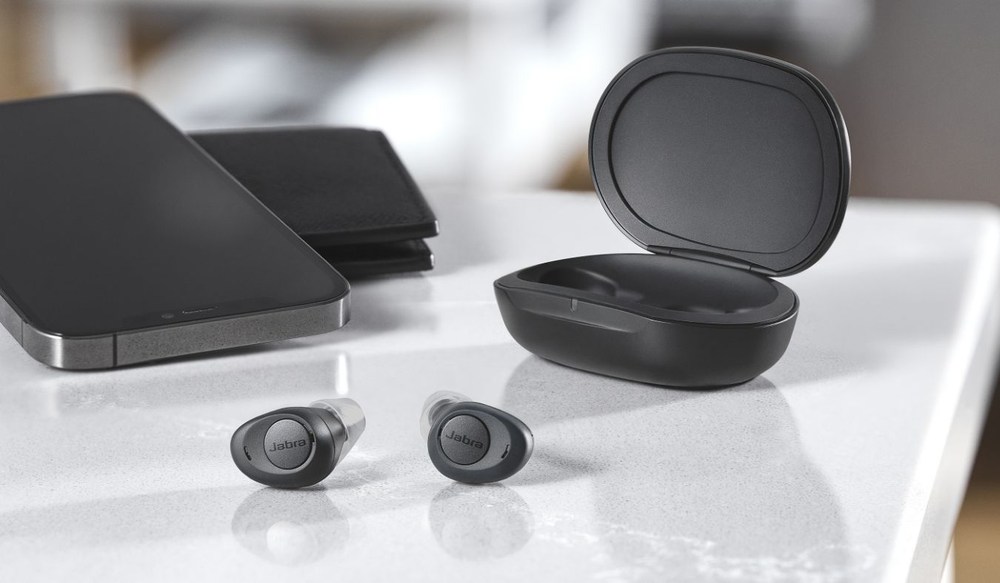
When considering hearing aids for the first time, selecting a style that matches your needs and daily routine is an important step. Modern hearing aids come in a range of styles, each offering specific benefits depending on how you plan to use them. Some are designed to be discreet, while others are more traditional in appearance, allowing you to balance functionality with personal preference.

A hearing instrument specialist can help you compare the options, from small devices that fit inside the ear canal to models that sit behind the ear. Each style varies in terms of comfort, features and ease of use. Having a clear understanding of these differences can make it easier to discuss your options and choose a hearing aid that suits your lifestyle and hearing needs.

Understanding the Different Types of Hearing Aid Styles

Learning about the main types of hearing aid styles can help you find the best fit for your needs. There are three common styles of hearing aids: behind-the-ear (BTE), in-the-ear (ITE) and in-the-canal (ITC) styles. BTE hearing aids rest behind your ear and connect to an earpiece inside your ear canal. ITE styles fit in the outer ear, while ITC options are smaller and sit partly or fully inside the ear canal. BTE models are often easier to handle and can provide more power, but they tend to be more visible. ITE and ITC styles are less noticeable, but their small size can make them harder to adjust or clean, especially if you have trouble with fine finger movements. It’s helpful to think about comfort, appearance and how easy each style is to use before making a decision.

Exploring Features and Benefits of Behind-the-Ear Devices

Behind-the-ear hearing aids are known for being easy to handle, offering strong sound amplification and fitting a wide range of hearing needs. Some people find them more noticeable than smaller styles, and the tubing or earmold may need regular cleaning.

One thing to watch for with BTE devices is that the tubing can sometimes get blocked with earwax or moisture, which affects sound quality. If your hearing aid sounds weaker or muffled, this might be the cause. Regular cleaning of the tubing and earmold helps prevent these issues. If cleaning is difficult, a hearing instrument specialist can show you simple ways to keep your BTE hearing aid working well.

What to Know About In-the-Ear Hearing Aids

In-the-ear hearing aids fit in the outer part of your ear, making them less visible than BTE styles and easier to use for people who wear glasses or masks. Their smaller size can be a bit harder to handle if you have trouble with small objects. These devices often include helpful features like volume controls or directional microphones, and they can be custom shaped for comfort. Since ITE hearing aids sit in the ear, they may pick up more wind noise than other types. It’s a good idea to talk with your hearing instrument specialist about which style will work best for your daily activities and environment.

Considering Advantages of Completely in Canal and Invisible Options

Completely-in-canal (CIC) and invisible-in-canal (IIC) hearing aids are some of the smallest options available. These styles fit deep inside your ear canal, making them very hard for others to see. Many people like CIC and IIC devices because they are discreet and do not interfere with glasses or hats. Their placement also makes it easier to use phones in a natural way, but their small size can make them harder to adjust or clean on your own.

How Placement Impacts Comfort and Hearing Experience

The way a hearing aid sits on or in your ear can affect how comfortable it feels throughout the day. Proper placement can also help you hear more clearly, especially in busy or noisy places. When your hearing aid fits well, you’re less likely to experience irritation or need frequent adjustments. Finding what works best for your ear shape and daily routine can make wearing your hearing aid more enjoyable and help you get the most out of every conversation.

Matching Your Hearing Aid Style to Your Daily Activities

Choosing a hearing aid style that fits your daily activities can make life easier. Whether you spend most of your time at home, enjoy outdoor walks or attend busy gatherings, think about where you go and what you do each day. The right match can help you feel more comfortable and confident in every situation.

Key Topics to Discuss with Your Hearing Instrument Specialist

When meeting with your hearing instrument specialist, discussing certain topics can help you get the most out of your hearing aid. Knowing what to ask can lead to better comfort, clearer sound and an easier adjustment period. It’s helpful to talk about your daily routine, any difficulties you face in certain listening situations and which features matter most to you. Ask about how to care for your device and what support is available if you have questions later on. Sharing details about your lifestyle helps your hearing specialist suggest options that fit both your needs and preferences. Open conversation makes it easier to feel comfortable with your new hearing aid and get the best results.

Simple Steps for Choosing the Right Hearing Aid Style

Choosing the right hearing aid style can be confusing but here are a few steps you can follow to help make the right choice:

  • Think about your daily activities and where you spend most of your time, like at home, work or in social settings.
  • Consider how easy each style is to handle, especially if you have trouble with small objects or finger movements.
  • Decide if appearance is important to you some styles are less visible than others.
  • Talk with your hearing instrument specialist about which features would be most helpful for your lifestyle, like volume controls or rechargeable batteries.

Finding The Hearing Aid Style That Works For You

Learning about different hearing aid styles is an important part of finding a device that fits your needs and daily life. By understanding each option, you can make choices that help you feel comfortable and confident in any situation. The right style can make it easier to hear loved ones, enjoy activities and take part in conversations.

If you’re considering which hearing aid style is best for you or want to learn more about the different hearing aid styles, schedule an appointment with a hearing instrument specialist. A specialist can answer your questions, show you different models and help match features to your lifestyle. This support makes it easier to find a hearing aid that works well for your unique needs.